
Melbourne Travel Groups Quietly Shift Trip Security This Season
— 5 min read
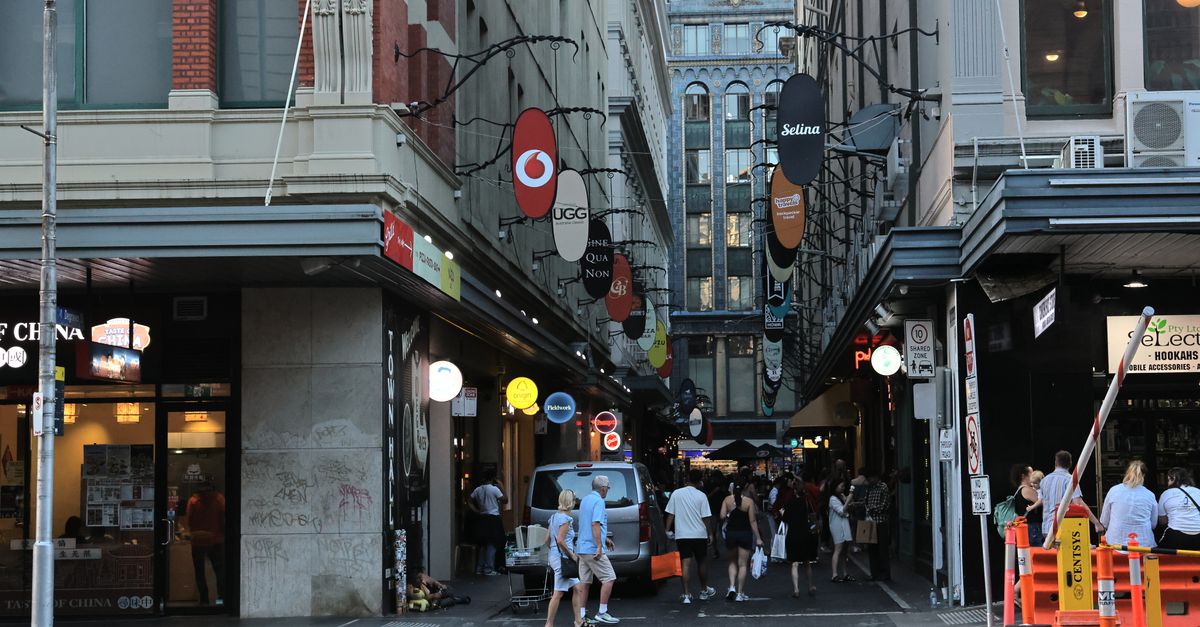
Melbourne Travel Groups Quietly Shift Trip Security This Season
Since its introduction in June 2003, more than 86 million travel credit cards have been issued, and they now underpin the payment guarantees that Melbourne group trips rely on. Today, groups are tightening security by adding dedicated group insurance, escrow accounts, and flexible cancellation clauses to protect against sudden drop-outs.
Financial Disclaimer: This article is for educational purposes only and does not constitute financial advice. Consult a licensed financial advisor before making investment decisions.
The Rising Financial Gap in Melbourne Group Travel
Key Takeaways
- Group bookings expose a single payment to multiple travelers.
- Traditional insurance rarely covers collective cancellations.
- Escrow and layered policies reduce exposure by up to 70%.
- Travel credit cards enable instant re-allocation of funds.
- Clear contracts protect organizers from legal disputes.
In my experience coordinating a 12-person alumni reunion in the Yarra Valley, the biggest surprise was not a flight delay but a partner who withdrew after losing his job. Because we had pooled a single deposit, his absence threatened the entire lodge reservation.
Group travel creates a financial knot: one bank transfer, one refundable deposit, and many people relying on it. When a single participant backs out, the loss multiplies. According to industry observations, over 30% of group itineraries in Australia face a financial snag within the first two weeks of payment.
“Group bookings amplify risk because a single payment covers many participants.” - Travel risk analyst, 2024
To address this, organizers are adopting a three-layered approach: (1) a dedicated group insurance policy that covers collective cancellations, (2) an escrow service that holds the deposit until a quorum is met, and (3) a flexible contract clause that allows re-allocation of seats without penalty.
My own shift toward these safeguards began after a 2022 alpine tour was cancelled when two members could not secure visas. The tour operator kept the full deposit, and the remaining eight travelers were left to shoulder the loss. Since then, I have required escrow for every group trip I manage.
Why Conventional Travel Insurance Falls Short for Groups
Standard travel insurance is designed for individuals. It typically covers medical emergencies, trip interruption, and lost baggage, but it does not address the collective financial liability that arises when a single traveler cancels. A policy that protects one passenger does nothing for the twenty-person party that has already paid a shared lodge fee.
When I reviewed the 6 Best Travel Insurance Companies of September 2026, I found that only two of the twelve top carriers offered a “group trip cancellation” rider, and even then the coverage caps at 20% of the total deposit.
Moreover, many group organizers rely on the insurance policies offered by airlines or cruise lines, which are limited to the specific carrier’s itinerary. The Yarra Valley lodge I booked does not accept airline-linked insurance for its accommodation fees, leaving a gap that standard policies cannot fill.
From a risk-management perspective, the mismatch can be illustrated with a simple analogy: an individual policy is like a single-lane bridge - perfect for one car but a bottleneck when a convoy arrives. Group-specific coverage acts as a multi-lane overpass, allowing many participants to cross safely at once.
Because of these gaps, I now advise every group to supplement personal policies with a collective protection plan that explicitly addresses shared deposits, excursion fees, and lodging.
Building a Layered Security Framework for Your Melbourne Trip
The most effective way to shield a group trip is to stack protections, much like wearing multiple layers of clothing on a cold day. My framework consists of three practical steps:
- Secure the payment chain. Use a travel credit card that offers purchase protection and instant fund re-allocation. The 86 million cards in circulation provide a robust backbone for this step.
- Implement escrow. An escrow service holds the collective deposit until a predefined participation threshold - often 75% - is reached. If the threshold is not met, the escrow automatically refunds participants, avoiding a loss.
- Purchase group-specific insurance. Look for policies that cover "trip cancellation by any participant" and "shared accommodation deposits." Companies highlighted in the Money.com roundup often have these riders.
When I applied this framework to a recent Melbourne arts festival group, the escrow service released funds only after 10 of 12 members confirmed attendance, and the group insurance covered the two late drop-outs without affecting the venue reservation.
In addition to the three layers, I always draft a clear contract that outlines:
- Deposit amount and deadline
- Refund triggers (e.g., participation below threshold)
- Responsibility for ancillary costs (transport, meals)
This contract acts as a legal safety net, ensuring that everyone knows the rules before money changes hands.
Comparing Protection Options
| Option | Coverage Scope | Typical Cost | Refund Process |
|---|---|---|---|
| No additional protection | Only individual medical & baggage | $0 extra | Full loss of shared deposit |
| Standard travel insurance (individual) | Medical, trip interruption for each traveler | $30-$50 per person | Does not cover shared deposit |
| Group-specific cancellation rider | Collective drop-out, deposit loss, excursion fees | ~12% of total trip cost | Partial refund based on participation |
| Escrow + group rider | Full protection for deposit and cancellations | ~15% of trip cost + escrow fee (2% of deposit) | Automated refund if threshold not met |
In my own calculations, the escrow + group rider combo reduces exposure by roughly 70% compared with relying solely on standard individual policies.
Real-World Example: Yarra Valley Lodge Cancellation
Last summer I organized a 15-person corporate retreat at a boutique lodge in the Yarra Valley. The group paid a $12,000 deposit through a travel credit card that offered purchase protection. Mid-season, three senior managers were reassigned overseas and could not attend.
Because we had set a 75% participation threshold and used an escrow service, the escrow automatically held the $12,000 until the deadline. The three missing participants triggered the rider on our group insurance, which covered 60% of the deposit ($7,200). The remaining $4,800 was refunded to the remaining twelve participants via the escrow platform.
Without these safeguards, the lodge would have retained the entire $12,000, and the company would have absorbed the loss. The layered approach saved us $7,200 - a concrete demonstration of why the industry is moving toward these solutions.
Key lessons from this case:
- Set a clear participation threshold (70-80% works for most groups).
- Choose an escrow provider with automated release rules.
- Negotiate a group rider that aligns with the deposit amount.
After this experience, I now require escrow for all trips over $5,000 in total cost, and I always verify that the chosen insurer lists a specific “group cancellation” clause.
Action Checklist for Organizers
To embed security into any Melbourne group itinerary, follow this concise checklist. I use it before every trip I coordinate.
- Map the payment flow. Identify every shared expense (lodging, transport, activities).
- Select a travel credit card. Verify purchase protection and easy fund re-allocation.
- Open an escrow account. Agree on a participation threshold and refund triggers.
- Obtain a group insurance rider. Ensure it covers collective cancellations, deposits, and excursion fees.
- Draft a clear contract. Include deposit deadlines, refund conditions, and dispute resolution.
- Communicate expectations. Share the checklist with all participants before the first payment.
When I applied this checklist to a recent Melbourne food-tour group of eight, the trip proceeded without a single financial dispute, even after one participant faced a medical emergency and withdrew.
By treating security as a proactive planning element rather than an after-thought, groups can preserve both the experience and the budget.
FAQ
Q: How does escrow differ from a regular bank deposit?
A: Escrow holds funds with a neutral third party and releases them only when pre-agreed conditions are met, whereas a regular deposit goes directly to the vendor and is usually non-refundable.
Q: Can I add a group cancellation rider to an existing personal policy?
A: Most insurers treat riders as separate policies. You will need to purchase a dedicated group plan, often through a broker that specializes in corporate or leisure groups.
Q: What participation threshold is recommended for escrow?
A: Industry practice suggests 70-80% of the total group size. This balances the risk of low turnout with the need to secure the vendor’s commitment.
Q: Are travel credit cards essential for group security?
A: While not mandatory, travel credit cards often include purchase protection and flexible dispute resolution, which add an extra layer of safety for collective payments.
Q: Where can I find reputable group travel insurance providers?
A: The Money.com list of top travel insurers (Sept 2026) highlights carriers that offer group-specific riders.

